
 +91 92118 40803
 Want to Explore All 12 Jyotirlingas in one Tour?

The 12 Jyotirlingas tour package is a wonderful chance to undertake one of the most sacred spiritual journeys of India while exploring the holy Jyotirlinga temples dedicated to Lord Shiva. These holy shrines are scattered across various parts of the country and attract devotees, pilgrims, history lovers and travellers all through the year. Visiting all twelve temples can be very meaningful but planning such a long pilgrimage calls for careful attention to routes, transportation, accommodation, temple timings and travel duration.
In Hindu tradition the twelve Jyotirlingas are highly revered. Each temple has its own history, religious significance, architectural characteristics and local customs. A Jyotirlinga pilgrimage is an intriguing mix of devotion, culture, heritage and exploration. From the Himalayan settings of Kedarnath to the coastal beauty of Somnath and the ancient spiritual ambiance of Kashi,a Jyotirlinga pilgrimage offers a fascinating combination of devotion, culture, heritage, and exploration.
No matter if you are travelling with family, friends, senior citizens or a group of fellow devotees, a well-planned itinerary can make the journey more comfortable and memorable. With careful planning, the major temples can be seen without too complicated travel arrangements.
12 Jyotirlingas
The word Jyotirlinga is a combination of the words ‘Jyoti’ meaning divine light and ‘Linga’ which is the symbolic representation of Lord Shiva. Hindus believe that these twelve shrines are especially sacred manifestations of Shiva.
The twelve Jyotirlingas that are traditionally recognised are:
1. Somnath Jyotirlinga – in Gujarat
2. Mallikarjuna Jyotirlinga – Andhra Pradesh
3. Mahakaleshwar Jyotirlinga – M.P.
4. Omkareshwar Jyotirlinga – Madhya Pradesh
5. Kedarnath Jyotirlinga, Uttarakhand
6. Maharashtra – Bhimashankar Jyotirlinga
7. Kashi Vishwanath Jyotirlinga – Uttar Pradesh
8. Maharashtra – Trimbakeshwar Jyotirlinga
9. Vaidyanath Jyotirlinga – Jharkhand
10. Gujarat Nageshwar Jyotirlinga
11. Jyotirlinga of Rameshwaram, Tamil Nadu
12. Grishneshwar Jyotirlinga Maharashtra
The temples are scattered throughout north, south, east, west and central India. This geographical spread makes the pilgrimage a substantial journey, but it also allows travellers to experience the diverse landscapes and cultures of India.
Why Book 12 Jyotirlingas Tour Package?
It can become complicated to arrange a pilgrimage to twelve temples by yourself as each temple has different modes of transport and accommodation. A well planned 12 Jyotirlingas tour package can make the trip easy on many fronts.
A package can be a single organised trip that includes transportation, accommodation, sightseeing, transfers and itinerary planning. Depending on the travel provider and the plan you select, this can also cover meals, local transfers, guides, and help with temples.
The best benefit is convenience. Instead of doing research about each destination, the travelers can follow a coordinated itinerary based on the location of the temples.
Another benefit is that it saves time. Since some Jyotirlingas are in remote locations, having a good itinerary can help the travelers avoid backtracking. This is beneficial for family groups and seniors who might want to limit long treks from one site to another.
Full Jyotirlinga Yatra Temple by Temple Guide
1. Gujrat – Somnath Jyotirlinga
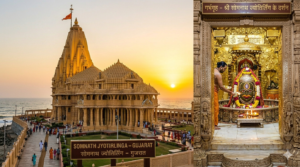
Somnath is one of the most famous Shiva temples of India. It is near the Arabian sea at Prabhas Patan. The temple is located in a unique spiritual and scenic place on the coast.
The present temple is noted for its beautiful architecture and long historical connection with the region. The tourists can also combine their pilgrimage with the nearby attractions in and around Somnath.
The sea sound, temple atmosphere and evening rituals make this destination especially memorable. Many travellers combine Somnath with Dwarka while planning pilgrimage in Gujarat.
2. Andhra Pradesh – Mallikarjuna Jyotirlingam
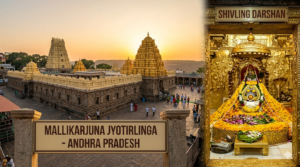
The Mallikarjuna Temple is located on the Srisailam hills, on the banks of the Krishna River. It is a place of pilgrimage for both the Shaiva and the Shakti sect.
Srisailam is surrounded by forests and hills giving a peaceful atmosphere to the pilgrims. The temple complex is a treasure trove of religious heritage and the vicinity is a great place to explore the natural beauty of the region.
It’s an important stop on a pilgrimage route through south-central India and can be combined with other sights around Srisailam.
3. Mahakaleshwar Jyotirlinga – Madhya Pradesh
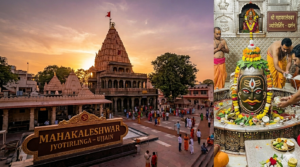
Ujjain’s Mahakaleshwar Temple is one of the most famous Shiva temples of India. Ujjain is itself a city of ancient Hindu pilgrimage tradition.
The temple is famous for its Bhasma Aarti in the early morning hours and devotees usually need to follow certain entry and booking procedures. Those who want to attend the ritual should plan well in advance.
Besides the temple, Ujjain has plenty of religious attractions, ghats and historic spots. The city is also a major pilgrimage destination of Madhya Pradesh.
4. Omkareshwar Jyotirlinga – Madhya Pradesh
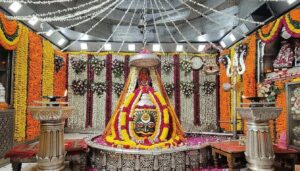
Omkareshwar is located on the island in the Narmada River called Mandhata. Notably, the island has its own contribution to the name, as it is shaped like the sacred syllable “Om.”
The temple, riverfront, bridges, ghats, and the surrounding hills produce a holy image. One can freely enjoy the view of Narmada River and the religious atmosphere of the place.
It is worth noting that visiting Omkareshwar can be combined with a trip to Ujjain, as they are both in Madhya Pradesh.
5. Kedarnath Jyotirlinga – (Uttarakhand)
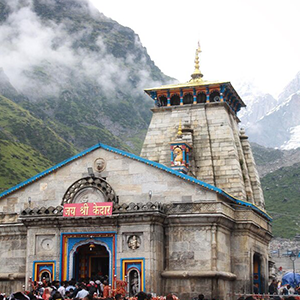
Kedarnath is considered one of the most challenging Jyotirlingas to reach due to its remote location in the Himalayas. Surrounded by mountains, Kedarnath offers a unique experience to the pilgrims who want to overcome the difficulties of the journey to the top.
While other Jyotirlingas are relatively popular and well-visited, Kedarnath is not so well-known. However, one should plan the visit wisely, considering the complicated weather conditions and the necessity to register in advance.
Pilgrims can reach the area by road and then trek, or by other approved means of transportation. The altitude and terrain make it necessary for travellers to allow ample time and prepare properly.
Kedarnath is sometimes included as part of a larger pilgrimage tour of the Char Dham of Uttarakhand.
6. Bhimashankar Jyotirlinga – In Maharashtra
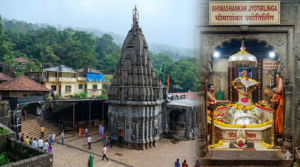
Bhimashankar Temple lies in the Sahyadri region of Maharashtra state surrounded by greenery and dense forests.
A perfect retreat for a nature lover and an adventurer at heart who wishes to explore unchartered wilderness and get entangled in the divine aura of Hindu mythology.. The temple has a unique architectural and historical character, and the region around it has scenic views.
Maharashtra houses many Jyotirlingas and therefore pilgrims can combine Bhimashankar with Trimbakeshwar and Grishneshwar in a regional temple circuit in an efficient manner.
7. Uttar Pradesh – Kashi Vishwanath Jyotirlinga
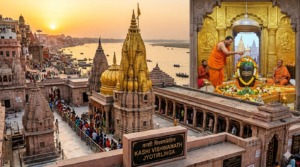
The Kashi Vishwanath Temple is located in Varanasi, one of the oldest and holiest spiritual cities in India. Dedicated to Lord Vishwanath, meaning, “Lord of the Universe.”
The journey to Kashi is not merely to visit the temple. The city’s ghats, the Ganga Aarti, its narrow historic lanes, traditional markets and countless smaller temples provide an extraordinary cultural experience.
Tourists should not take Varanasi as a stopover but should have enough time to explore this city. A sunrise or an evening on the Ganges adds a memorable dimension to the pilgrimage.
8. Trimbakeshwar Jyotirlinga – Maharashtra
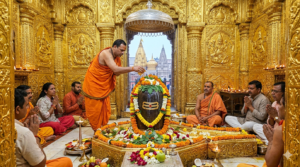
Trimbakeshwar Temple is near Nashik and is closely associated with the origin of Godavari River. Devotees and heritage lovers are drawn to the temple’s traditional design and black-stone architecture.
Nashik city itself is a major pilgrimage center having many temples and religious places. Visitors can then prolong their visit to explore the wider spiritual landscape.
Trimbakeshwar is also conveniently considered along with other Maharashtra Jyotirlingas for travellers looking for a regional pilgrimage route.
9. Jharakhand – Vaidyanath Jyotirlinga
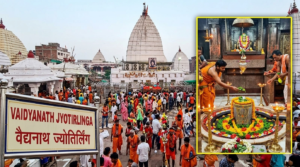
Vaidyanath Dham in Deoghar is one of the major pilgrimage destinations of Jharkhand. The temple complex draws a large number of devotees especially during important religious occasions.
Deoghar is famous for its temple-collection. It has a strong spiritual identity. Vaidyanath is a city that offers its visitors a unique religious culture.
This temple is in east India, so when you combine it with the Jyotirlingas in the west or south of the country, itinerary planning is very important.
10. Nageshwar Jyothirlinga – Gujrat
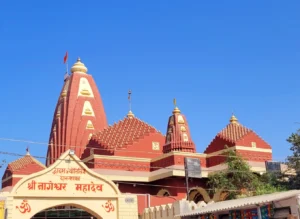
Nageshwar Temple is located in Gujarat, near Dwarka. It is called a pilgrimage destination because of the large Shiva statue and temple complex.
Many devotees combine Nageshwar with Dwarkadhish Temple and other tourist places in Saurashtra. This makes Gujarat especially appealing for travellers looking to combine multiple religious destinations in a single journey.
The pilgrimage encompasses inland temples as well as a pleasant contrast in the coastal surroundings.
11. Rameshwaram Jyotirlinga – Tamil Nadu
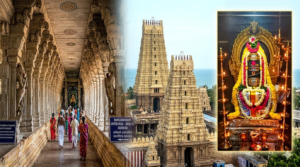
The Ramanathaswamy Temple in Rameshwaram is one of the most important pilgrimage destination in south India. The temple is known for its huge corridors, grand pillars and holy water tanks.
Rameshwaram is an island town with profound connections to the Ramayana tradition. Pilgrims will often combine a visit to the temple with nearby spiritual and historical sites.
As it is situated in the southern end of India, travellers need to plan their transportation well while connecting Rameshwaram with northern or western Jyotirlingas.
12. Grishneshwar Jyotirlinga – In Maharashtra
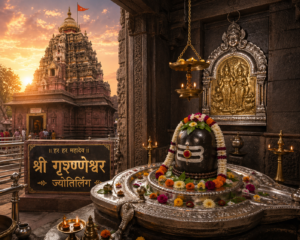
The Grishneshwar Temple is near Ellora in Maharashtra. It is in very close proximity to the famous Ellora Caves and is thus an especially attractive destination for travellers who want to combine pilgrimage with heritage tourism.
The temple has traditional architectural features and holds an important place in Shaiva pilgrimage traditions. Travellers can explore the nearby Ellora complex and other attractions around Aurangabad after visiting the shrine.
Grishneshwar is an important part of a Maharashtra-centered Shiva pilgrimage along with Bhimashankar and Trimbakeshwar.
How to Plan a 12 Jyotirlinga Temple Yatra
Planning the route is the first step to a successful pilgrimage. Temples are scattered all over India and visiting them in random sequence can lead to excessive travel.
A practical itinerary should take into account:
- City of start and end
- Connectivity by air and rail
- Road transport between neighbouring temples
- Access on a seasonal basis
- Opening hours of the temple
- Availability of accommodation
- Days of travel
- Size of group
- Requirements for senior citizens
- Rest days in between long journeys
A 12 Jyotirlingas tour package is especially useful for travellers who want to stick to a planned itinerary instead of organising each transfer on their own.
Compare the number of days, hotels, type of vehicle, meals, transfers, inclusions and exclusions of sightseeing before booking. Also check if flights or trains are included or need to be booked separately.
Proposed Route for Shiva Pilgrimage Across India
There is no one route that is right for every traveller. The perfect order depends on where you are, how you like to get around, what time of year you’re travelling and how long you’ve got for your break.
A wide route could be organised by regional clusters:
Western India: Somnath and Nageshwar Temples
Central India: Mahakaleshwar and Omkareshwar
North India: Kedarnath and Kashi Vishwanath
Eastern India: Vaidyanath
Maharashtra: Bhimashankar, Trimbakeshwar and Grishneshwar
Southern India: Rameshwaram and Mallikarjuna Temple
Putting destinations that are close together reduces unnecessary travel. Kedarnath is a special case though, due to its seasonality, and may need to be scheduled separately from the rest of the itinerary.
When to go for Jyotirlinga Yatra
The best time to travel depends very much on the destinations you include.
Good weather is usually better for most plains and coastal temples as pilgrims might be spending quite a bit of time walking and sightseeing. Places like Gujarat, Maharashtra, Madhya Pradesh, Uttar Pradesh and Tamil Nadu enjoy comfortable weather in the winter and cooler months.
Kedarnath is an exception. Its high-altitude location makes accessibility seasonal and weather-dependent. Travellers should always verify current opening dates and local travel conditions before finalising their trip.
Major festivals like Mahashivratri and Shravan can create a particularly devotional atmosphere, but can also crowd very large numbers of people. If you like a quieter experience you can go for less busy periods.
What all is included in a Jyotirlinga Travel Package?a
The exact contents will vary from tour operator to tour operator but a pilgrimage package may include several of the following:
- Accommodation in hotel
- Transfers from the airport or train station
- Group transport or private vehicle
- Intercity road transfers
- Breakfast or selected meal
- Local sightseeing
- Chauffeur or tour guide
- Help with itinerary management
- Sightseeing transfers as per selected
Flights, train tickets, VIP temple access, special puja arrangements, personal expenses and insurance may or may not be included.
Please read the inclusions and exclusions carefully before you book. You may find a better value if you see a lower advertized price, but it doesn’t include several essential travel costs.
Benefits of Booking a Shiva Pilgrimage Tour Package
One of the biggest benefits of an organised 12 Jyotirlingas tour package is less of a logistical stress. Instead of having to sort out hotels, vehicles, routes and transfers over and over again, travellers can follow one coordinated plan.
Families, too, can gain from organised travel. Elderly pilgrims may find long distance travel tiring, so a good itinerary with proper rest breaks can make the experience more comfortable.
Another benefit is predictable budgeting. Combined accommodation and transport make it easier to estimate total trip cost.
The group tours offer companionship for the duration of the trip. Private packages offer more flexibility in terms of departure times and sightseeing choices.
Tips for a Comfortable Jyotirlinga Yatra
A pilgrimage to twelve temples demands physical and logistical planning.
Pack for the season. The weather is very different between Himalayan, coastal, central and southern destinations.
Wear comfortable shoes. You may have to walk, queue, climb stairs and deal with uneven surfaces at a temple.
Keep important documents handy. Have your identification, booking confirmations, tickets and any necessary registration details with you.
Drink water. Long trips on the road and long temple visits can be tiring especially in warmer months.
Respect the temple’s rules. Dress modestly and abide by the rules regarding photography, footwear, entry and queuing.
Rest plan. If you try to visit too many places without enough time to rest you will find your spiritual journey a tiring experience.
Be flexible. Weather, traffic, crowds and transport delays can derail even the best laid plan.
How Much Time Required to Visit All the 12 Jyotirlingas?
The length of time depends on the route and mode of transport. A busy itinerary may consist of the main shrines with little sightseeing or a leisurely pilgrimage takes much more time.
Travellers need to distinguish between meaningful travel experience and temple coverage. Technically, the circuit is complete if you go to a temple for a short time and then immediately leave for another city, but you may not have enough time to appreciate each destination.
A longer itinerary allows for rest, local sightseeing, unexpected delays and a more peaceful pilgrimage experience. Overly compressed itineraries should generally be avoided by families and senior travellers.
How to Choose Best 12 Jyotirlingas Tour Package
You need to find the right 12 Jyotirlingas tour package not just compare prices. “Look at the overall value and convenience of the itinerary.
Check before you book:
Length
Make sure the number of days is realistic for twelve widely spread destinations.
Getting Around
Check whether the package includes flights, trains, private cars, coaches or a mix of transport.
Hôtels
Consider the location of the hotels, the types of rooms available, the meal plans provided and whether the accommodation is suitable for your group.
Path
Carefully study the route to see that no unnecessary backtracking has been made.
Entrance to temple
Enquire whether the package is for normal temple visits or does it cover special darshan or poojas.
Size of Group
You can get flexibility on a private trip and group tours can be cheaper.
What’s Included
Look at what is actually included, rather than just the headline price.
Support
A good local support team or tour coordinator can be a big help on a long, multi-state pilgrimage.
Spiritual and Cultural Experiences on the Journey
The twelve Jyotirlingas have a lot more to offer beyond temple visits. Each destination opens up a different part of the Indian cultural landscape to the traveller.
You can sense the sanctity of Varanasi, the Himalayan vibe of Kedarnath, the coastal culture of Somnath and Rameshwaram, the historical towns of Madhya Pradesh, the forested scenery of Bhimashankar and the architectural legacy near Grishneshwar.
This makes the pilgrimage a religious journey and a cultural exploration of India.
Many devotees find that the most meaningful aspect isn’t just getting to the next place, but enjoying the rituals, local traditions, architecture, landscapes and quiet moments along the way.
Planning a Kid-Friendly Jyotirlinga Yatra
Families should plan their itinerary with everyone’s comfort in mind. Avoid very long road journeys or back to back temple visits with children or older travellers.
Pick hotels that are easy to get to, comfortable transport, sensible itineraries for each day and adequate time for rest. When transferring over long distances, keep snacks and drinking water handy.
If you are travelling with senior citizens, be aware of destinations with high altitude, steep walking routes or long queues. Kedarnath in particular needs more physical and seasonal planning.
A well-paced 12 Jyotirlingas tour package helps families focus more on the spiritual experience, and less on the day-to-day logistics of travel.
Why This Pilgrimage is a Life Changing Experience
A Jyotirlinga tour can be more than just a list of 12 temples. It can afford time for reflection, worship, family togetherness and discovery.
Pilgrims travelling across states are exposed to different languages, cuisines, landscapes, traditions and forms of worship. Each temple has its own atmosphere and the overall journey exposes the extraordinary diversity of India’s religious heritage.
For Lord Shiva’s followers, the circuit may have deep personal significance. It is an opportunity for cultural travellers to visit some of the country’s most important sacred and historic destinations.
FAQ
1.What is 12 Jyotirlingas tour package?
It is a planned pilgrimage tour to the twelve Jyotirlinga temples of Lord Shiva in the different parts of India. The package can include hotels, transportation, meal, sightseeing and travel assistance depending on the providers.
2. Can we visit all 12 Jyotirlingas in one trip?
Yes it is possible to visit all the twelve Jyotirlinga in one trip, but the journey has to be planned in the right way because the temples are located in different states and regions.
3. The entire Jyotirlinga yatra takes about 15 days in total.
The time period varies depending on the route, the transportation, the sightseeing preferences and the starting point. A quick trip will take less time while on the other hand, a relaxed trip with lots of sightseeing and breaks will take more time.
4. Which one is the most difficult Jyotirlinga to reach?
Kedarnath is a high altitude Himalayan peak which is least accessible during certain seasons and hence requires more efforts and planning to reach there.
5. Which are the Jyotirlingas in Maharashtra?
The state of Maharashtra has three traditional Jyotirlingas which are Bhimashankar, Trimbakeshwar and Grishneshwar.
6. Yes, Jyotirlinga can be visited even by senior citizens.
It has to be planned in such a manner that it should be suitable for their age and capacity and should take care of their convenience. The place should not be at very high altitudes or require extensive walking.
7. What all do I need to carry for a jyotirlinga tour?
The tourists must carry comfortable clothing, appropriate footwear, medications if prescribed, identification documents, toiletries, weather-appropriate clothing, water and required travel documents.
8. Should you do a private or group pilgrimage?
The private tours are usually more flexible and customisable while the group tours can be cheap and give you company. It is contingent upon your budget and style of travel, which is best for you.
9. Can the jyotirlinga yatra be clubbed with other religious places?
Certainly, The tourists can combine the Jyotirlingas with destinations like Dwarka, Varanasi, Ayodhya, Rameshwaram, Ujjain, Nashik, Srisailam and other major pilgrimage destinations depending on the route.
10. What do I need to know before I book a pilgrimage package?
Check for itinerary, number of days, hotels, transportation, meals, sightseeing, temple related arrangements, exclusions, cancellation policy and other costs. Also check seasonal accessibility of destinations like Kedarnath.
Conclusion
A complete pilgrimage to the Jyotirlingas is an incredible chance to explore India’s spiritual culture. However, such a journey will take you through the most scenic places in the country. From the beaches of Gujarat and Tamil Nadu to the hills of Uttarakhand and the ancient alleys of Varanasi, every region has its charm.
The main thing for a pleasant and well-planned trip is proper planning. It is necessary to choose wisely and plan a tour that will suit the needs of both visiting places of interest and relaxing, select a means of transportation, and have enough time for the journey.
Whatever your goal is – participate in the pilgrimage as a devotee, take it as a family trip, explore the country, or combine these purposes – a 12 Jyotirlingas tour package makes all undertakings more comfortable and memorable. And most importantly, you should not be in a hurry to complete the pilgrimage since the path is as important as the goal.