
 +91 92118 40803
Why the Best Travel Agency in India Matters More When your Trip Covers Several States

KEYPOINTS:
- Smart route planning reduces unnecessary travel time between states.
- Transport choices should match distance, terrain, and trip duration.
- Regional differences affect weather, timing, and sightseeing plans.
- Hotel locations should support the overall travel route.
- Clear cost planning helps avoid unexpected travel expenses.
- Balanced itineraries prevent rushed and tiring travel days.
- Local knowledge makes multi state trips easier to manage.
- Rest time improves comfort during longer journeys.
- Connected planning creates a smoother travel experience.
- Custom itineraries work better for families, couples, and senior travellers.
Planning a holiday across several Indian states is very different from arranging a short city break. The main challenge is not finding places to visit. It is making transport; hotel stays, sightseeing hours, local conditions, and travel distances work together without wasting valuable days. This is where choosing the best travel agency in India can make a practical difference. A carefully planned journey connects each destination in a sensible order and leaves enough time for both travel and experiences. A Delhi, Rajasthan, and Uttar Pradesh route, for example, needs a different rhythm from a Kerala and Tamil Nadu journey. Road conditions, train options, climate, and sightseeing patterns can change along the way. Good planning brings those details into one manageable itinerary rather than treating each state as a separate holiday. In this blog, we will look at how professional multi-state planning can improve routes, transport, accommodation, costs, local coordination, and the overall pace of a longer India journey.
Route Order Shapes the Journey
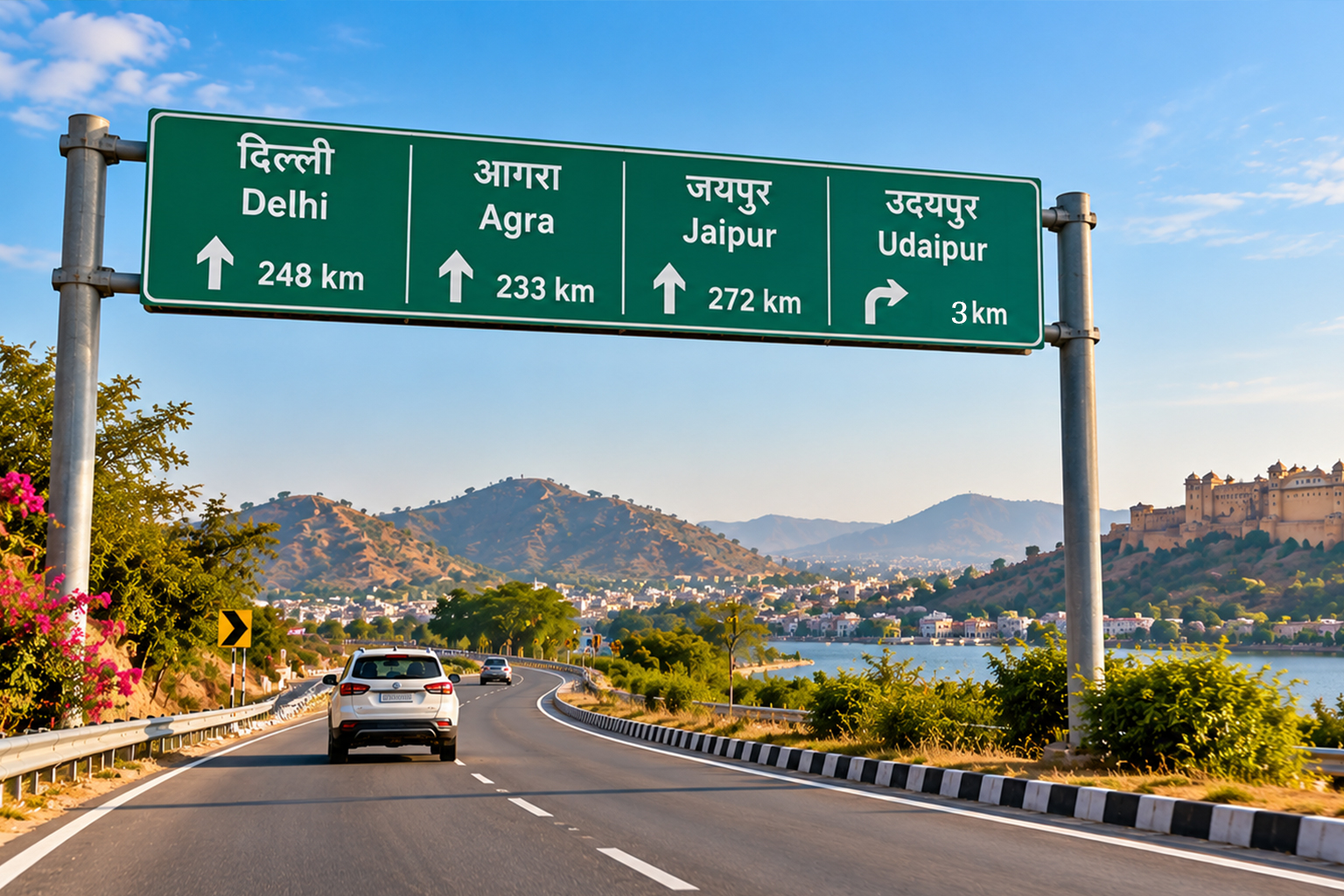
The order in which places are visited can influence both travel time and comfort. On a map, two cities may appear close enough to combine easily, but road conditions, railway connections, airport locations, or mountain terrain may make the journey longer than expected.
Consider a holiday covering Delhi, Agra, Jaipur, Udaipur, and Varanasi. Simply arranging those cities according to personal preference may create unnecessary backtracking. A more logical sequence considers where each journey begins, which transport option fits that leg, and how much sightseeing is realistic after arrival.
Experienced best tour operators in India usually look at the complete route before confirming separate bookings. That approach can help avoid common problems such as reaching a destination late at night before an early morning activity.
Useful route planning usually considers:
- Actual driving hours rather than distance alone
- Suitable rail or flight connections between distant regions
- Check-in and check-out timings
- Rest after long transfers
- Seasonal road or weather conditions
The aim is not to fit the largest number of places into the schedule. It is to build a route where one part naturally leads into the next.
Transport Changes across State Borders

A multi-state itinerary rarely depends on one type of transport. Private cars may work well for a Golden Triangle route, while a domestic flight could make more sense when moving between northern and southern India. Trains may also be practical on certain city connections.
For example, a traveller might drive from Delhi to Agra and Jaipur; fly to Kochi, then use a private vehicle for Kerala. Each change creates another point where arrival time, luggage, hotel check-in, and local pickup must match.
Professional travel planning helps connect these pieces instead of leaving each reservation to stand alone. Tour services can be used for airport transfers, intercity drives, railway station pickups, private sightseeing vehicles, and longer regional journeys.
The best travel agency in Delhi can be particularly useful when a northern itinerary begins in the capital and later moves into neighbouring states. Delhi acts as a major arrival point and transport hub for routes towards Rajasthan, Uttar Pradesh, Uttarakhand, Himachal Pradesh, and other regions.
Good coordination also creates backup room. A schedule with a small time buffer is far easier to manage than one where a minor delay affects the entire following day.
Regional Differences Need Local Planning
India does not offer one uniform travel experience from state to state. Climate, terrain, opening hours, food habits, local festivals, driving conditions, and cultural expectations can all change during the same holiday.
A traveller moving from Rajasthan to Kerala will notice this immediately. Desert landscapes and heritage cities require one style of itinerary, while backwater areas, coastal routes, and tropical conditions call for another. A journey into Uttarakhand adds mountain roads and longer driving times, while wildlife regions may require fixed safari schedules.
This is why a best travel agency in India should do more than reserve rooms and vehicles. Multi-state travel benefits from planners who understand how different regions affect the daily schedule.
Practical planning might mean keeping outdoor sightseeing earlier in the day during hot weather, allowing extra road time in hill areas, or avoiding an unnecessarily long transfer before an important temple visit.
Local guides can also add value in heritage and cultural destinations. They help visitors understand a place rather than simply moving through a list of monuments.
The service becomes most useful when regional knowledge shapes the itinerary before problems appear.
Hotels Should Match Travel Flow

Choosing good accommodation is important, but choosing it in the right location matters just as much. A hotel may receive excellent reviews yet still be inconvenient for a particular itinerary. Staying far from the next day’s departure point can add another hour of driving. Selecting accommodation only by price may also lead to extra transfer costs that cancel out the original saving.
On a multi-state holiday, accommodation should work with the route. Suppose travellers reach Jaipur after several hours on the road and plan major sightseeing the following morning. A well-located stay allows them to rest and begin comfortably. If the next destination requires an early departure, easy road access may matter more than being close to a busy shopping area.
A planned tour can also match accommodation categories to different needs. Families may value larger rooms and convenient dining. Older travellers may prefer easier access and shorter transfers. Couples might choose a quieter setting where the schedule allows it.
This is one reason customised India travel itineraries can work better than booking the same hotel category in every city. Comfort depends on context, not simply the number of stars beside a property name.
Hidden Costs Become Easier to Control
Longer holidays involve many small expenses that are easy to miss during early planning. The room rate and air ticket may be obvious, but the final budget can also include tolls, parking, local transport, entrance charges, guide fees, meals, activity costs, and transfers.
When several states are involved, these smaller items multiply. A coordinated itinerary gives travellers a clearer idea of what is included and what needs to be paid separately. That distinction matters when comparing two options that appear similar at first.
For example, one road tour might include vehicle costs, driver allowances, tolls, and parking, while another quotation may list some of them separately. The cheaper headline price is not always the lower overall cost.
The same thinking applies to accommodation and transport changes. An inexpensive hotel located far from the day’s activities may lead to repeated taxi expenses. A low-cost flight at an inconvenient hour may require an extra night or an early private transfer.
Clear inclusions are especially useful for travel partners as well. A Best b2b travel company in India may coordinate ground services, accommodation, transport, and destination arrangements for agencies handling clients across different regions. The important point is simple: compare the complete travel plan, not one attractive price.
How Much Travel Is Too Much?
One of the easiest mistakes in a multi-state holiday is trying to visit too many destinations. India’s size can be deceptive when an itinerary is viewed on a screen. A plan covering Delhi, Rajasthan, Varanasi, Kerala, and Goa may sound exciting, but whether it works depends heavily on the total number of days.
A good schedule asks what the traveller will actually experience after transfer time is removed.
If eight hours of a day are spent on the road, that day should not also contain a long list of monuments. Likewise, arriving on an evening flight and beginning intensive sightseeing early the next morning may be possible, but it may not be enjoyable.
A useful planning rule is to protect time for:
- Proper rest after long journeys
- Unhurried sightseeing at major locations
- Meals without constant time pressure
- Free evenings or lighter periods
- Unexpected traffic or schedule changes
The best travel agency in India should therefore help travellers decide what to leave out as carefully as what to include. Removing one stop can sometimes improve a holiday more than adding another famous destination. A slightly slower journey creates room for local markets, neighbourhood walks, regional food, or simply enjoying a hotel without immediately packing again.
That balance is particularly important for families, senior travellers, honeymooners, and first-time international visitors who may need more recovery time between longer travel days.
Bringing Several States Together
A successful multi-state holiday should feel like one journey, not several separate trips cobbled together. Sensible route order, realistic transfer times, suitable hotels, local knowledge, clear inclusions and sufficient rest all contribute to that feeling. Taking these details into consideration from the outset means that travellers spend less time dealing with the logistics and more time experiencing the places they came to see. Professional planning is particularly valuable when distances are greater and more transport connections are added to the itinerary.
At Star India Tours, our team helps bring those separate travel elements into one customised plan. We can shape journeys around preferred destinations, travel duration, accommodation needs, transportation, sightseeing interests, and individual budgets. Our current India tour options cover regions across North, South, East, West, and Central India, along with pilgrimage and multi-destination routes. For travellers who want to explore several states without turning their holiday into a complicated booking exercise, our approach is to create a practical itinerary that still leaves space to enjoy India at a comfortable pace.
Frequently Asked Questions
Question: How many states can comfortably be covered in one India trip?
Answer: There is no fixed number because it depends on the trip length and the distance between destinations. For a shorter holiday, two nearby regions may provide a better experience than attempting four distant ones. Longer journeys can include more areas when flights or efficient rail connections reduce transfer time.
Question: Is a private vehicle useful for travelling between different states?
Answer: A private vehicle can be convenient for neighbouring destinations where road travel is practical. It gives travellers more control over stops and departure times. For very long distances, however, combining road transport with trains or domestic flights can save time and prevent tiring travel days.
Question: Should hotels be booked before finalising the complete route?
Answer: It is generally better to finalise the main route first. Once the directions of travel and transfer schedule are clear, accommodation can be selected in locations that suit arrival times, sightseeing areas, and onward journeys. This can reduce unnecessary driving and make daily movement easier.
Question: Why is rest days useful during longer holidays?
Answer: Continuous sightseeing and frequent transfers can become tiring after several days. A lighter day allows travellers to recover, enjoy local surroundings, or handle an unexpected schedule change without losing an important activity. Rest time is especially helpful for children, older visitors, and people arriving after long international flights.
Question: What details should travellers share before requesting a customised itinerary?
Answer: Useful information includes travel dates, total number of days, preferred destinations, number of adults and children, accommodation level, interests, and any mobility or pacing requirements. Sharing these details early helps planners create a route that fits the group rather than forcing travellers into a standard schedule.