
 +91 92118 40803
 South India Cultural Tour: A Perfect 15-Day Itinerary
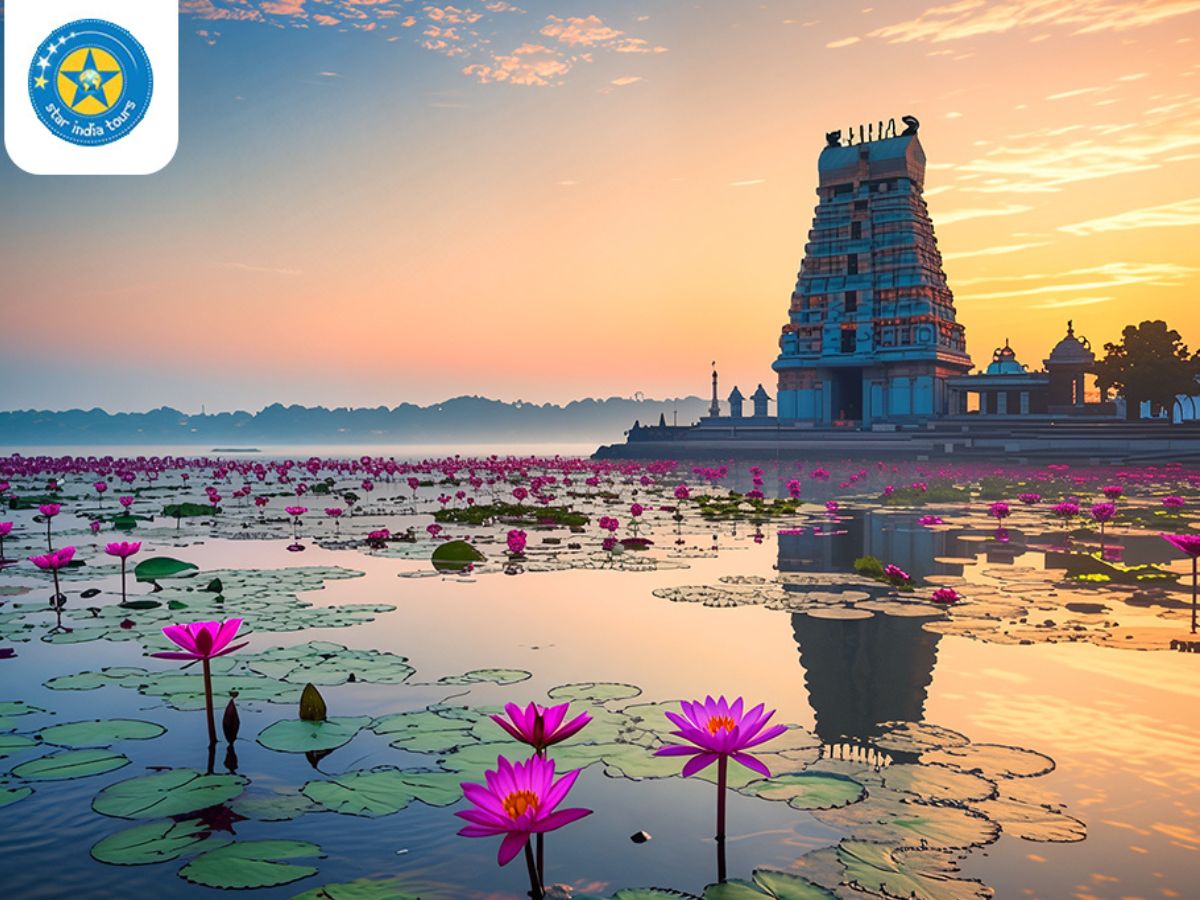
When you first start to dream of South India, it tends to be as a kind of collage: temple gopurams splattered with colour; coconut-fringed backwaters; misty hill stations and plates of food that resemble what passes for dinner at home hardly at all. Actually turning that picture into a fleshed-out plan is where the trouble starts. Chennai, Mahabalipuram, Pondicherry, Thanjavur, Madurai, Munnar, Thekkady, Alleppey, Kochi, it all seems so good; there are never enough days on your calendar.
That is why the recommendation for a 15-day cultural tour. Two weeks allows you to get from point A to B without dashing, adjust your internal seasonal clock to the weather and be able to take in what you’re seeing instead of just taking photographs. Yet the point is not to ‘‘cover’’ South India, but to take a trajectory that feels stable: long enough to breathe through, short enough to keep focus. Think of it as a fortnight in South India moulded to you – real travellers, real-life timetables and energy levels not just pinning fantasy to a map.
Why 15 Days Suits South India
South India is open, but it’s not a place that encourages constant rushing. There are mostly good roads, but traffic, tea stops and photo breaks all add time. Temples are living quarters, not flash attractions, and backwater days are at their best when you do less rather than more. A week in one state can work. Ten days can be extended, but you will know what’s going on. Most people land at a comfortable middle ground about 15 days.
With that much time you can begin on the east coast, move through the temple belt, rise into the hills and end in a charmed enclave by the Arabian Sea without ever feeling shortchanged or always packing up. You don’t get shunted through a new hotel each day or spend eight hours in the car every other day. It is that kind of pacing that regional travel experts at the best tour operators in India look at first: how a real person will feel after three or four days on the road, not just how attractive the itinerary looks on paper.
A realistic 15-day route, Not Just A List
There are endless variations, but a lot of well-balanced plans follow a shape similar to this:
- Days 1–3: Chennai – Mahabalipuram – Pondicherry
Arrive in Chennai, settle your body clock, and visit places like Mylapore, Marina Beach, and the museum. Then move to Mahabalipuram’s shore temples and rock carvings before drifting into the slower pace of Pondicherry’s French Quarter. - Days 4–6: Thanjavur – Madurai
Travel inland for Thanjavur’s Brihadeeswara Temple and its craft traditions, then continue to Madurai for Meenakshi Temple, busy markets, and the unforgettable atmosphere of an evening aarti. - Days 7–9: Munnar – Thekkady
Cross into the hills where tea plantations, cool air, and spice gardens replace city traffic. Gentle walks, viewpoints, and maybe a light wildlife or cultural show round out the time here. - Days 10–12: Alleppey – Kumarakom Backwaters
Board a houseboat, watch daily life play out along the canals, and then spend some quiet time in a lakeside or riverside resort. These are often the days guests remember as the “pause” in the middle of the trip. - Days 13–15: Kochi and Coast
Finish in Kochi’s Fort area, wandering between old churches, the synagogue, Chinese fishing nets, and cafés that invite you to sit awhile and take it all in.
Many people initially approach this region through the idea of a kerala tour and travel package and then realise that, with a bit more time, they can fold in Tamil Nadu’s temple towns and turn it into a fuller cultural circuit.
How Each Segment Actually Feels
On a schedule, “Day 2: Chennai” and “Day 5: Madurai” look similar. On the ground, they are nothing alike. The first few days on the coast usually revolve around finding your rhythm—waking up at new hours, adjusting to the humidity, and beginning to follow how life moves in a different country. Chennai, Mahabalipuram, and Pondicherry let you ease into that: a temple visit here, a seaside walk there, a slow evening in a café or along the promenade.
Thanjavur and Madurai shift the focus. Here, you are closer to the deep religious and artistic spine of South India. In Thanjavur, you might watch artisans casting bronze statues in small workshops after spending the morning at a thousand-year-old temple. In Madurai, you could enter Meenakshi Temple in the late afternoon, then watch as the complex becomes busier and more intimate toward nightfall. Many travellers say this part of the trip is where the “cultural tour” description starts to feel real.
The hills and backwaters change the texture again. Munnar and Thekkady slow your steps, replacing crowds with rolling green slopes and forests. You might sit on a balcony, drink tea from a nearby estate, and listen to birds rather than horns. Once you reach the backwaters, the most important part of the day can be as simple as watching a fisherman cast his net or children going to school by boat. Kochi, at the end, gathers all of this into one final layer: trading history, layered communities, and streets where you can wander without a strict agenda.
Planning Without Wearing Yourself Out
The easiest mistake is to think, “Since I am going all the way there, I should add one more place.” On a map, adding a dot looks harmless. In a car, it can mean another several hours on the road and another rushed check-in. For a 15-day South India cultural itinerary, the safer approach is to protect your breathing spaces: limit hotel changes, pick a few strong bases, and accept that you will leave some places for next time.
A smart plan often builds in at least two nights per stop and keeps only one or two single-night stays, if any. It treats some days mainly as travel days with one meaningful visit, rather than pretending every day can be full sightseeing plus a long drive. A short discussion with the best travel agency in India can make a real difference here. They can tell you which stretches genuinely feel long, when traffic usually builds, and which attractions sound nice but are not worth the detour if you are already tired.
Making the Most of Local Support
You rarely see “good driver” or “sensible guide” in bold on an itinerary, but they often decide whether your trip feels easy or exhausting. A considerate driver will sense when you need a quiet ride versus light conversation. A guide who reads your body language will know when to shorten explanations or when you are curious enough to go deeper. A coordinator at the other end of a phone can quietly shuffle visits if the weather changes or you wake up one morning needing a slower pace.
In practice, that might look like a family cutting one extra palace visit in Madurai so the children can swim before dinner, or a couple deciding to spend an extra hour photographing tea estates instead of squeezing in another market. A solo traveller might skip a crowded monument in Kochi in favour of a long sit with a book and coffee. When your trip has been put together by the best tour operators in India, these adjustments slot into place rather than throwing everything off balance.
How the Journey Ties Itself Together
Once you are back home in the air, reflecting on the two weeks, you won’t remember each check-in time or drive distance. What remains are small things: how the scent of incense lingered in a temple, the sound of water lapping against the hull of that houseboat at night, one glimpse from a hillside in Munnar or how it was to taste lunch off a banana leaf. Those moments only have room to land when the rest of the plan is put in place lovingly.
A strong 15-day tour of South India should make you feel like you’ve seen a lot of the lands, but have plenty left to explore. You would know enough, next time around, to focus just on food or just on temples or only hills without feeling you had been completely worn out by this first visit. The itinerary stops feeling like a one-off trip and more the opening chapter of a longer dialogue with the region.
Travelling South India with Star India Tours
At Star India Tours, shaping that first chapter is what we focus on. We do not start with a stock list of hotels; we start with you: who is travelling, when you can come, how busy you like your days, and what sort of experiences you remember most from other trips. From there, we sketch a route that links Tamil Nadu’s temple cities, the Western Ghats, and Kerala’s waterways in a way that feels natural and manageable. Whether you began with a simple Kerala tour and travel package in mind or a broader wish to “see South India properly,” we build around that core.
Many of our travellers come back to us because they felt heard the first time. As the best travel agency in India for a growing number of repeat guests, we put care into matching you with drivers and guides who respect both the cultural depth and the practical comfort you need on a 15-day journey. We stay available when you want to tweak a day, slow down, or add something meaningful at short notice. Our aim is straightforward: your South India tour should feel steady, welcoming, and personal enough that you are already thinking about your next Indian journey by the time you return home.
Frequently Asked Questions
Q1: Is 15 days too short for a South India cultural tour?
There’s no way to see every inch of South India in just 15 days, but you can certainly take in a strong dose of temple towns, hill stations, backwaters and a coastal city without overly exhausting yourself. The key is to select a specific route rather than attempting to encompass all destinations.
Q2: What is the best time of year to do this itinerary?
Most visitors prefer to go from around November to March, when temperatures are not stifling and the days are pleasant for strolling, visiting temples and seeing outdoor sights. Shoulder seasons can also be good, though the route should take into account local heat, rain and festival patterns.
Q3: Is this itinerary suitable for older travelers or families with kids?
Yes. The same general itinerary can also be made even easier with the addition of rest days, hotels featuring lifts and few stairs or fewer noise issues, shorter walks on some days or a slightly earlier start to others. Sharing ages, interests and any mobility concerns you have when planning helps determine a daily flow that feels right for everyone.